Ask ten people in Statesville how often hair needs trimming and you will hear answers from every six weeks to never, usually delivered with total confidence. The confusion survives because two different goals hide inside the question. Maintaining a style and growing length are opposite math problems, and the famous half-inch rule, that hair grows roughly half an inch a month on average, is the number that solves both once you apply it honestly.
The claims, sorted
| Claim | Verdict | The math behind it |
|---|---|---|
| Trimming makes hair grow faster | False | Growth happens at the scalp, about half an inch a month on average. Scissors at the ends cannot signal the follicle. Trimming changes retention, not growth. |
| You must trim every six weeks | It depends | Short styles lose their shape in about that window. Long hair worn natural may hold far longer between trims without consequence. |
| Split ends can be repaired | False | A split strand cannot fuse back together. Products can smooth its feel temporarily; only cutting above the split removes it. |
| Skipping trims helps you grow length | It depends | Splits travel upward and break hair off, so neglected ends can cost more length than small regular trims ever take. |
| A dusting is a real trim | True | Removing a tiny amount, an eighth to a quarter inch, clears fresh splits while keeping nearly all the month's growth. |
The growing math
At roughly half an inch a month, hair gains about six inches in a year before any trimming. If you trim a quarter inch every three months, you surrender about one inch a year to trims and keep around five, with ends that stay full enough to look like length. If you never trim and your ends split, breakage does the trimming for you, unevenly and higher up, and many people stall at the same apparent length for years while their hair grows and breaks at equal rates. That plateau is the most common reason people conclude their hair just will not grow.
Damage speed changes the schedule. Heat styling, lightening, and chemical services split ends faster, so processed hair on a growing plan usually needs the shorter trim interval. Virgin hair handled gently can stretch intervals further. The reliable signal is the ends themselves: rough, thin, see-through, or splitting ends are due, whatever the calendar says.
The maintaining math
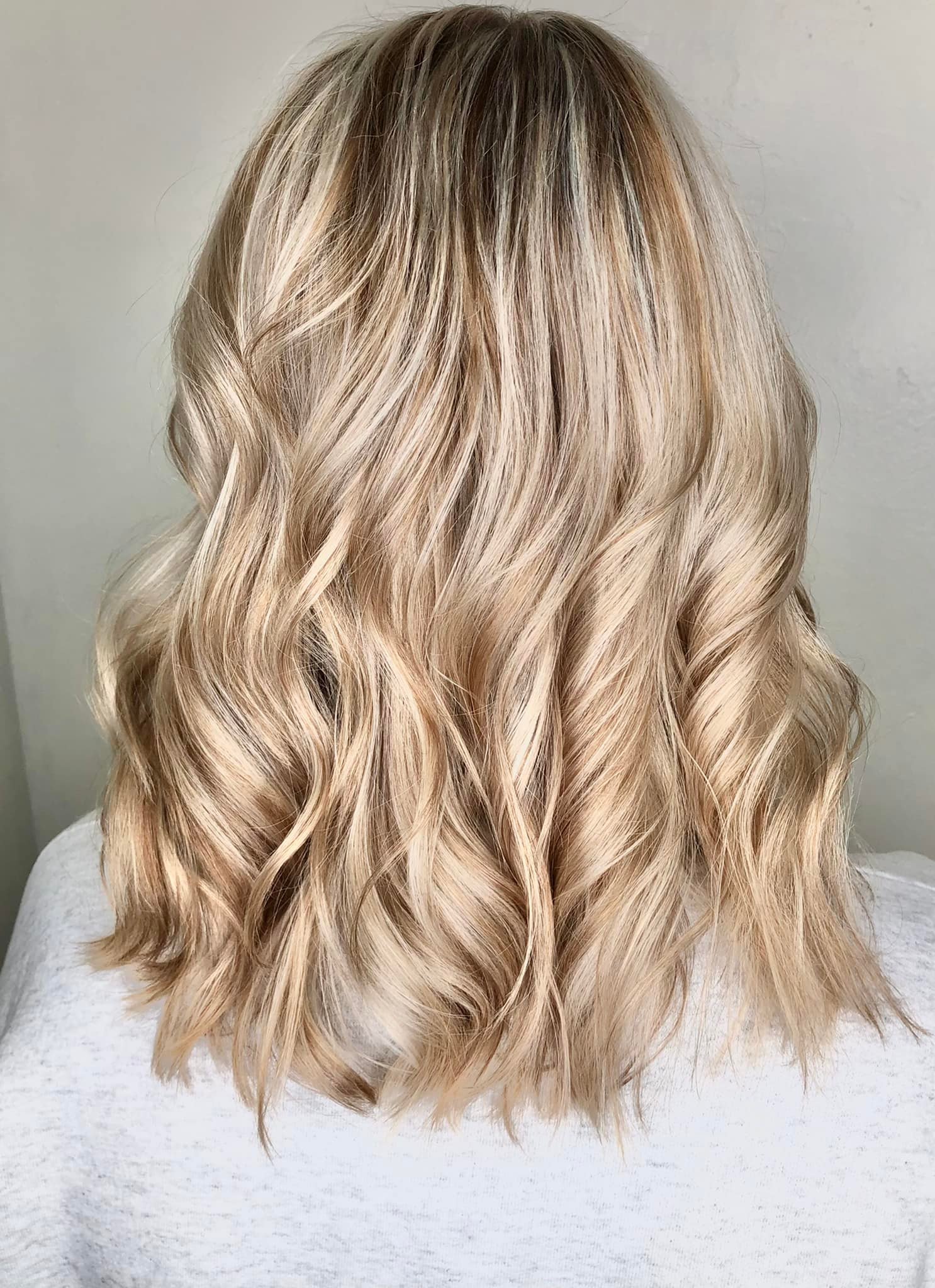
If you love your current length and shape, the trim has to match the growth. Half an inch of growth a month means a style drifts noticeably in six to ten weeks, and the trim removes roughly what grew to restore the original line. Short cuts and precision shapes sit at the frequent end of that range; long layers at the forgiving end. Waiting far longer turns a maintenance trim into a restyle, which is fine if that is the plan and a disappointment if it is not.
Reading your own ends
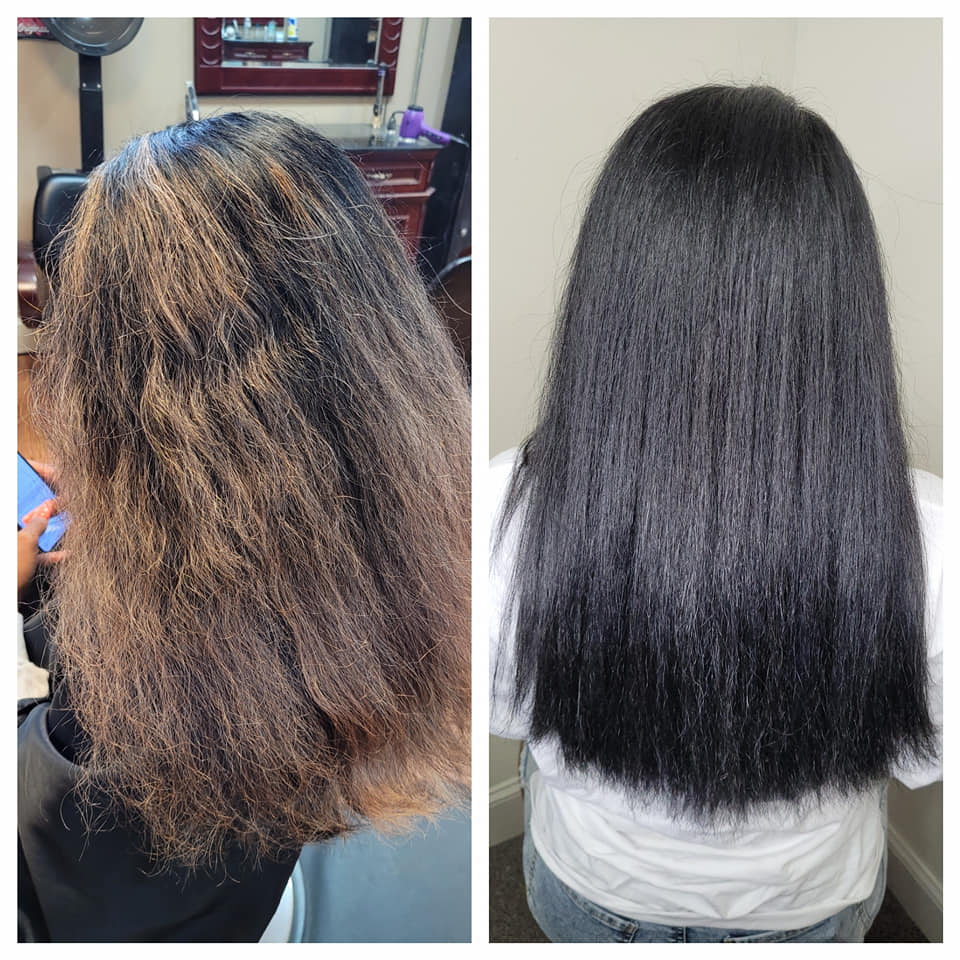
Between visits, check honestly. Ends that tangle first, feel rough against the smoother hair above them, show white dots or Y-shaped splits, or have thinned into transparency are asking. Search-and-destroy, snipping individual splits at home, helps tidy-minded people between appointments but does not replace a proper even trim. At Imagine That Salon, the useful conversation is goal first: growing or maintaining, and how much damage your routine produces. The interval is just arithmetic after that.
There is also a seasonal rhythm worth knowing in the Piedmont. Summer sun, pool water, and ponytails stress ends faster, so many people do best with a slightly firmer trim at summer's end, clearing the season's damage before fall. Winter's indoor heat and friction from scarves and collars are gentler but steady. Letting the trim calendar acknowledge the seasons, rather than running identical intervals all year, matches the actual wear your ends take.
When in doubt at the chair, state your goal and a number: growing, and no more than a quarter inch today, is a sentence any stylist can execute. Vague trims produce vague results, and most trim regrets are really communication regrets that a single plain sentence would have prevented.
Common questions
How much length do I lose at a trim?
Only what you and the stylist agree. A dusting takes an eighth to a quarter inch; fixing neglected splits takes more. Ask to see the amount before it is cut if you are nervous.
My hair seems stuck at one length. Why?
Usually breakage at the ends is matching growth at the roots. Regular small trims, gentler handling, and less heat on the ends break the stalemate within a few months.
Does the half-inch rule apply to everyone?
It is an average. Individual growth varies somewhat by person and season, but it is close enough to plan trims and growth goals around.
← All guides from Imagine That Salon← Back to Imagine That Salon